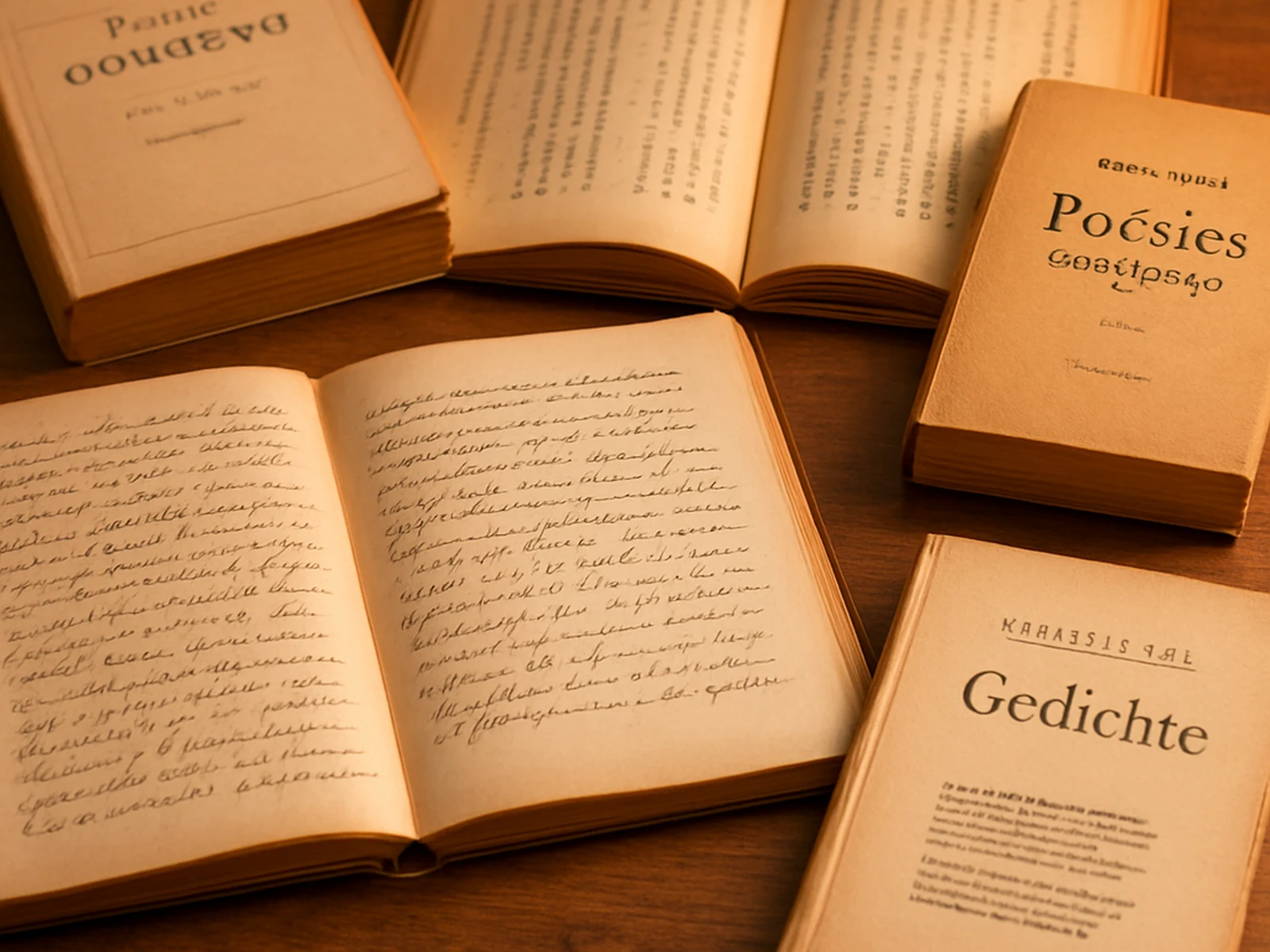
Literary translation is fundamentally different from other translation types. The goal is not to produce a technically accurate rendering of the source text. The goal is to produce a work that functions in the target language the way the original functions in the source language -- for the reader, emotionally, rhythmically, and culturally. This is a creative act, not a mechanical one.
Our literary translators are writers and translators simultaneously. Many are published translators whose work has appeared in literary journals and from established publishers. They are selected for their combination of language competence and writing ability. A literary translator who cannot write well in the target language cannot do this work.
We handle literary fiction, short stories, poetry collections, personal memoirs, narrative non-fiction, and published essays. For poetry specifically, we work on a project-by-project basis and discuss the translation approach with the client before beginning -- the choices involved in poetry translation (form, meter, rhyme, semantic vs. phonetic fidelity) require a dialogue.
Pricing for literary translation reflects the level of craft involved. Unlike technical translation, literary content does not scale linearly with word count -- a difficult chapter requires more work than an easy one of the same length. We provide project quotes based on sample assessment rather than pure word count.
Rights and permissions: we translate for clients who hold the relevant translation rights. We do not advise on rights acquisition, but we will flag if a translation project raises questions we think the client should resolve before proceeding.
- Novels and literary fiction
- Short story collections
- Poetry (form and free verse)
- Personal essays and memoir
- Narrative and creative non-fiction
- Published journalism and long-form writing
- Author-translator consultation on approach
- Sample chapter assessment before quoting